
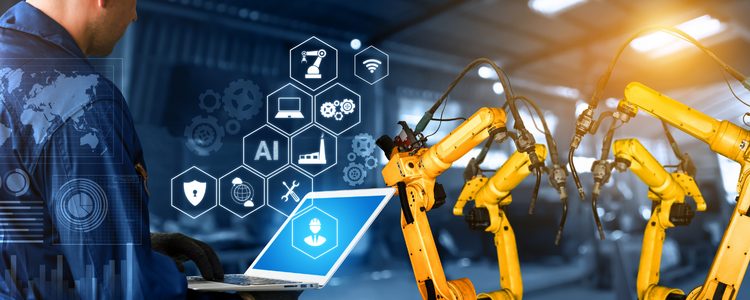
Digitalization in the Pharmaceutical Industry and Engineering Services
Current digitalization initiatives in the pharmaceutical industry are moving towards increased collaboration and new business models. Digitalization provides a high profit potential for companies. Recent increases in digital transformation have played an important role in the development of corporate strategies across all industries, enabling companies to upgrade their operations and produce better business outcomes.
Digitalization, also known as digital transformation, is the process of integrating digital technologies into all areas of a business to improve operations and offer more value to customers. Pharmaceutical digitalization involves the development and incorporation of digital technologies at all levels of business operations. Digitalization is affecting the pharmaceutical industry and manufacturing processes in many ways. With digitalization, organizations can fully integrate their supply chains to improve production processes through more responsive and adaptable operations. These changes result in greater integrity inventory levels, production efficiency, and service, allowing businesses to make faster and more effective business decisions.
Digital transformation helps reduce per person costs in the pharmaceutical industry. Digitalization in manufacturing facilities often involves machine learning, artificial intelligence, and machine-to-machine communication. These digitized processes support properly production operations. Digitalization prevents equipment failures, minimizing repair costs, obligation and interruption, resulting in further cost savings.
Pharmaceutical companies can increase their manufacturing efficiency and productivity through digital transformation. Digitalization allows businesses to collect data across all their facilities, providing decision makers with important insights into the overall operational efficiency of their companies. They can also better analyze process inefficiencies to detect them and determine how to improve these areas. Digitalization also allows companies to automate various aspects of their production processes. This means they can get more done in less time using fewer resources.
This blog post may also be of interest to you: Engineering Solutions In The Pharmaceutical Industry
Digitalization in the pharmaceutical industry also allows for flexible production equipment. Companies can adjust these machines to meet changing person demands while improving person safety through robotics and automation. All these digitization capabilities enable companies to achieve higher quality products by improving quality control, reliability and efficiency.
Digitalization in the pharmaceutical industry is also allowing organizations to identify and improve their packaging processes by helping them better control their manufacturing processes with greater product tracking, visualization, and remote data access. As a result, they can detect and address errors before they impact product lines, resulting in higher profitability and cost savings.
Integrating digital technologies into pharmaceutical processes allows companies to improve manufacturing operations, reduce costs, and improve production quality. Because digitalization brings these significant benefits, that offers businesses that embrace it a clear competitive advantage over companies that have not digitized their operations. By prioritizing digitalization in their supply chains, companies can achieve greater results for their businesses that set them apart from other organizations.
The Importance of Digitalization in the Pharmaceutical Industry and Engineering Services
Digitalization presents a great transformational opportunity for engineering companies. With the advancement of digital technologies, a great change is taking place in the field of engineering. Digitalization enables engineering companies to achieve more efficient business processes, improved productivity and better results.
Especially, the use of digital technologies in areas such as plant design, production processes and quality control is of great importance. Technologies such as virtual reality and augmented reality are used in plant design and process optimization, enabling more effective and efficient solutions.
Digitalization in the Pharma industry and engineering services provides benefits such as more efficient processes, improved design and manufacturing methods, increased customer satisfaction and progress in sustainability efforts, and gains competitive advantage.